In Conversation Series: Meet Emily Walsh, LMSW
Why I Became a Therapist — And What I Wish Someone Had Told Me Earlier
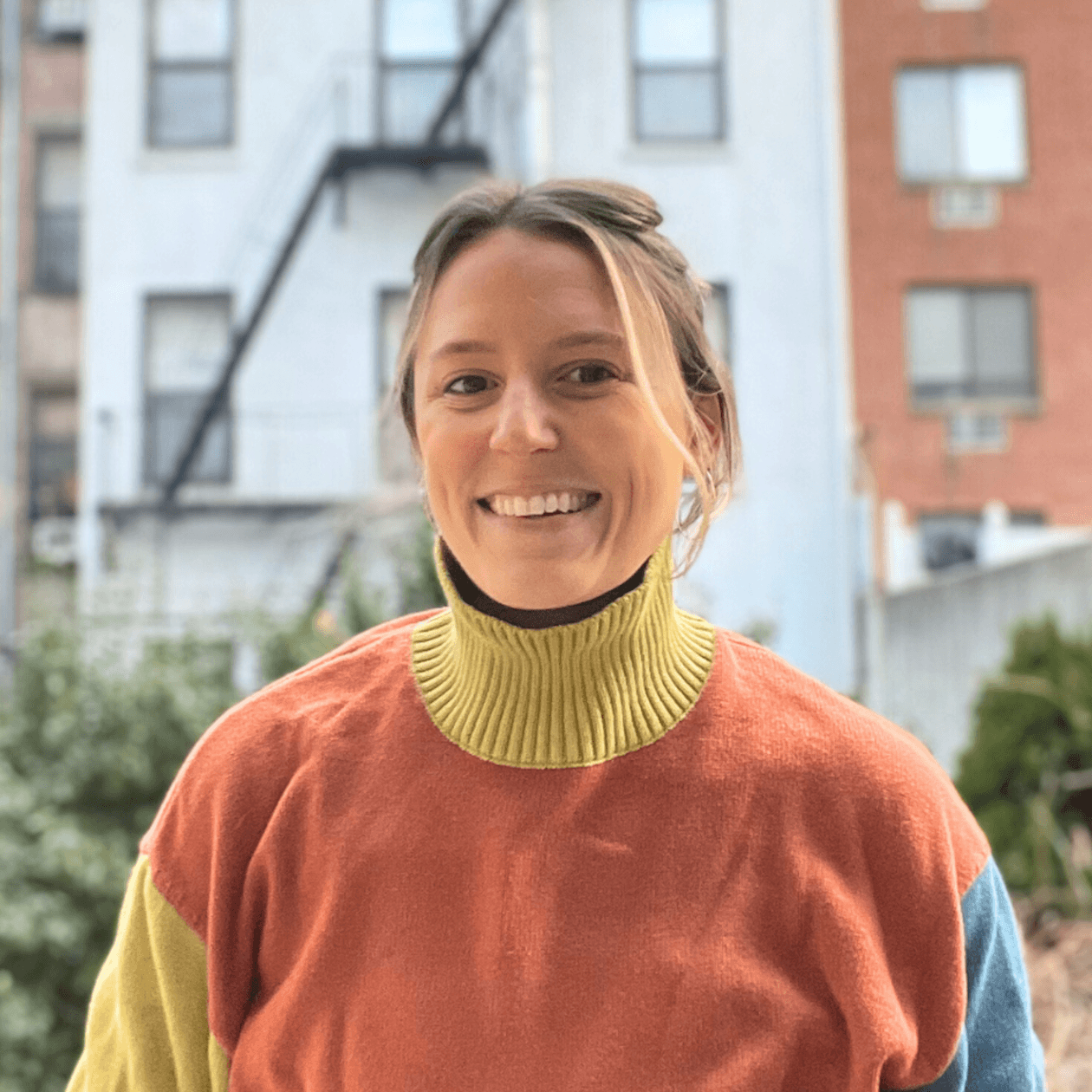
A conversation with Emily Walsh, LMSW
About Emily
Emily Walsh, LMSW is a licensed master social worker and therapist at MLP Therapy Group in Brooklyn, NY. She holds her MSW from New York University and has spent years working across private practice and school settings, building a clinical foundation that is both broad and deeply relational.
That range shapes how Emily works. She brings an understanding of how people move through different environments, relationships, and stages of life, and what it looks like when someone gets stuck in any of them. Her approach is collaborative and grounded in the belief that the therapeutic relationship itself is where real change happens. She specializes in working with individuals navigating identity, relationships, and life transitions, and is known for her warmth, honesty, and ability to meet clients exactly where they are.
If you've ever wondered what it would actually feel like to sit across from your therapist — before you ever book a session — this is for you. We asked Emily some of the questions clients often want to ask but aren't sure how to. Her answers are honest, warm, and very much her.
What drew you to this work in the first place?
My background is in education. I spent nearly a decade in and around classrooms, and what I kept noticing was that I wasn't drawn to teaching itself so much as I was to the relationships. I wanted to sit with students and teachers, understand how they think and feel, help them make sense of their experiences. That thread showed up in every role I had. Over time it became clear there was a path where that kind of work could be the work itself.
How would you describe your style to someone who has never been to therapy before?
Collaborative and conversational. It's not about me telling you what to do. It's about us working together to make sense of your inner world and the experiences that have shaped it. I bring my authentic self into the room — compassion, curiosity, humor, and some gentle but honest nudging that might challenge you to think more deeply or differently. The goal is for you to feel safe exploring what's hard, while also knowing you're not doing it alone.
What does a first session with you actually look like?
It's mostly just getting to know each other. A chance for you to get a feel for what it's like to be in the room with me, and for me to understand what's bringing you in, what feels important, what you're hoping for. We're only scratching the surface in that first session. There's no expectation that you'll have everything figured out or show up any particular way. Comfort and trust take time, and we build that together.
What gets in the way of people asking for help — and how do you hold that in the room?
A lot of us carry some combination of shame, fear of being judged, or a belief that we should be able to handle things on our own. Sometimes it never felt safe to ask for help, or that space was never offered. Sometimes life just feels too full, and asking for help feels like one more thing on the list. I make space to talk about those barriers as they show up — naming them, understanding where they come from, exploring their impact both in and outside of therapy.
What kind of client do you feel you do your best work with?
Clients who are motivated or open to explore what they don't yet fully understand about themselves. I see this a lot with people navigating identity, relationships, or life transitions — or when they're noticing patterns they can't quite make sense of or shift on their own. They might feel stuck, overwhelmed, or unsure where to start. That's exactly where I come in. I think of self-curiosity as our starting point, and over time it becomes the thread that supports meaningful work.
Is there a belief or idea that quietly shapes how you show up as a therapist?
I think a lot about how hard it is to hold conflicting feelings at the same time — like being pulled in two directions. I notice this a lot when people talk about feeling stuck. They want something to change, but they also feel overwhelmed or resistant to it. There's a real tension in accepting where you are while staying connected to what you want to be different, and it's not easy to hold both at once. I find myself supporting clients to stay with that tension instead of fighting it or shutting it down — and to have some compassion for themselves in the process. When we can do that, it tends to open up more space for meaningful change.
How do you and a client know when things are actually shifting?
Progress looks different for everyone and it's rarely linear. It might look like increased awareness — noticing a pattern in real time, or understanding a reaction in a new way. Or it shows up in daily life: feeling more grounded, making different choices, relating to people differently. Often it's a shift in how a client relates to themselves. Less shame, less isolation, more self-kindness and connection. I can usually tell things are moving when something that once felt automatic becomes more intentional, or when a client is able to meet parts of themselves they used to judge with more compassion.
What do you wish more people understood about the kind of therapy you do?
The work is really centered on the therapeutic relationship. The reason we pay so much attention to how you relate to yourself, to others, and to the world around you is because those patterns shape so much of your emotional experience. The relationship we build together becomes a tool for making new meaning and connecting dots that might not feel obvious at first.
What's something about you outside the therapy room that makes you better at what you do?
I try to practice what I encourage in therapy — staying present, connected, and intentional about how I move through my life. Music is a big part of that for me. It helps me slow down, reflect, and stay grounded.
What would you want someone who is on the fence about booking to know?
It's completely normal to feel on the fence. Starting or returning to therapy can feel vulnerable. But booking an initial session is a low-stakes first step — a chance you might not otherwise get to see what it's like to meet with someone who could become your therapist. You don't need to have anything figured out. You can just take that first step and trust yourself to notice how it feels. If it doesn't feel right, that's okay. Not every therapist will be the right match, and therapists understand that.
Emily Walsh, LMSW is a therapist at MLP Therapy Group in Brooklyn, NY. She works with individuals navigating relationships, identity, and life transitions. To learn more or book a consultation, visit mlptherapygroup.com.