
MATRESCENCE THERAPY
BROOKLYN & ONLINE
THERAPY FOR THE IDENTITY SHIFTS AND RELATIONSHIP CHANGES THAT COME WITH BEING A MOTHER
Becoming a mother changes you. Not just your schedule or your sleep, but something deeper. The way you see yourself. What matters to you. Who you are when you're not taking care of everyone else. Most women expect the hard parts of early motherhood. They don't always expect to feel like they've lost the thread of who they are, or to look at their partner and feel strangely far away from them, or to be holding everything together on the outside while something feels quietly off on the inside.
There is a word for what you are going through. Matrescence. It describes the developmental process of becoming a mother, the identity shift, the emotional upheaval, the way everything gets reorganized around this new role. It's one of the most significant transitions a person can go through, and most women go through it without anyone naming it for them.
At MLP Therapy Group, this is the work we do. We support women navigating the transformation of motherhood and the couples trying to stay connected through it.
WHAT IS MATRESCENCE?
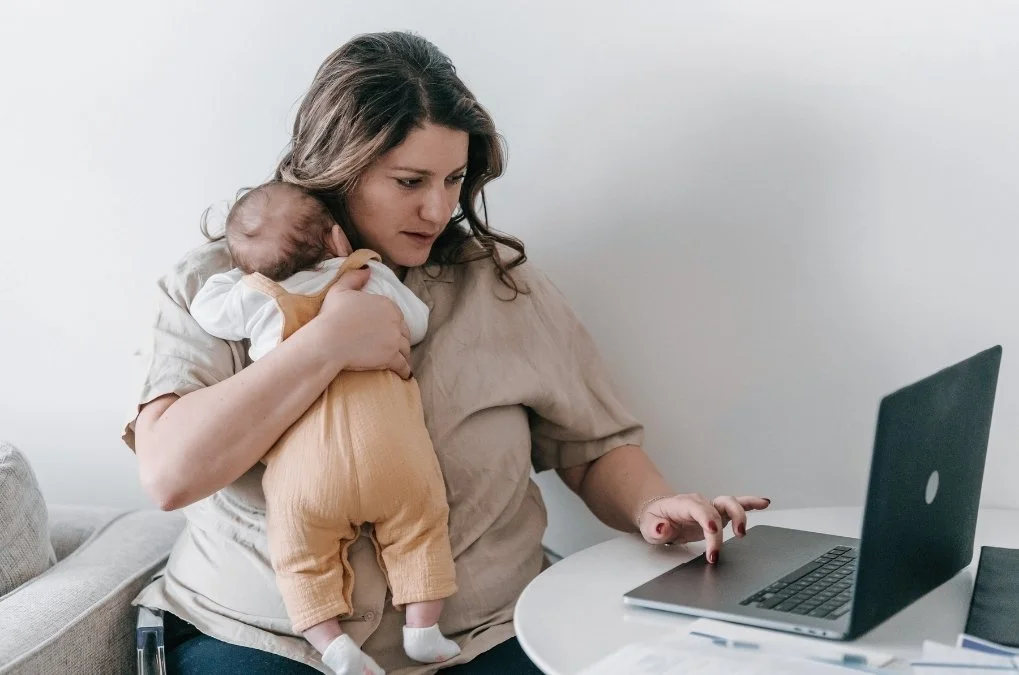
Matrescense is the process of becoming a mother. The term was coined by anthropologist Dana Raphael in the 1970s and describes something most women feel but few have language for. Just like adolescence, matrescence is a period of real developmental change. Your brain changes. Your identity shifts. The emotional changes after having a baby go far beyond hormones or exhaustion. You may find yourself grieving a version of yourself you didn't know you'd miss. Feeling guilty for missing her. Wondering who you are now outside of being a mother.
These are not signs that something is wrong with you. They are signs that something significant is happening.



-
how matrescence affects your relationship:
The identity shift of matrescence doesn't happen in a vacuum. It happens inside a partnership, and it changes that partnership too.
Feeling disconnected from your partner after having a baby is one of the most common things couples experience, and one of the least talked about. Roles shift, often unevenly. Resentment builds quietly. The emotional load falls unevenly and neither person knows how to talk about it. The distance between you starts to feel normal, and that might be the most worrying part.
This is not a sign your relationship is failing. It's a sign that two people are trying to find each other while one of them is in the middle of becoming someone new.
-
couples therapy during the transition to parenthood can help with...
feeling disconnected or like roommates after having a baby
communication breakdowns and the same arguments on repeat
resentment around the mental load or unequal responsibilities
navigating different parenting styles or expectations
rebuilding intimacy and closeness after baby
one partner feeling shut out while the other feels unseen
finding your way back to each other during one of the hardest transitions you'll face together
-
matrescence therapy can help you navigate...
feeling like you've lost yourself since becoming a mother
grief for your pre-baby identity or life
anxiety that doesn't feel like anxiety, just a constant hum of dread or bracing
high-functioning overwhelm, holding it together while feeling depleted inside
emotional disconnection from yourself or the people you love
old wounds or childhood dynamics resurfacing in unexpected ways
the tension between loving your child and struggling with the reality of motherhood
heightened emotional sensitivity that feels hard to explain
not recognizing yourself anymore

FREQUENTLY ASKED QUESTIONS
-
Matrescence itself is a normal developmental process, not a diagnosis, and many women move through it without formal therapy. But when the identity shift feels intense, isolating, or persistent, having dedicated support can make a real difference, the same way adolescence is normal but support during it still helps.
-
Matrescence is the developmental process of becoming a mother, similar in scope to adolescence. It includes identity shifts, emotional changes, and a reorganization of who you are, not just new responsibilities.
-
They overlap, but Matrescence therapy focuses specifically on the identity shift of becoming a mother, which can continue well beyond the postpartum period. Postpartum therapy often focuses more on the immediate adjustment after birth. Matrescence can overlap with parenting challenges, relationship changes and over all discovery of self after becoming a mother.
-
Yes. This identity shift happens inside a relationship and changes it too. We work with both individuals and couples navigating the disconnection that often comes with this transition.
-
We have specialized training in perinatal mental health through Postpartum Support International, along with couples training through the Ackerman Institute for the Family.
-
No. Struggling with the adjustment to motherhood doesn't reflect how much you love your child or how good of a mother you are, it reflects how big this transition actually is. Seeking out help is a sign you are looking out for your child and yourself.